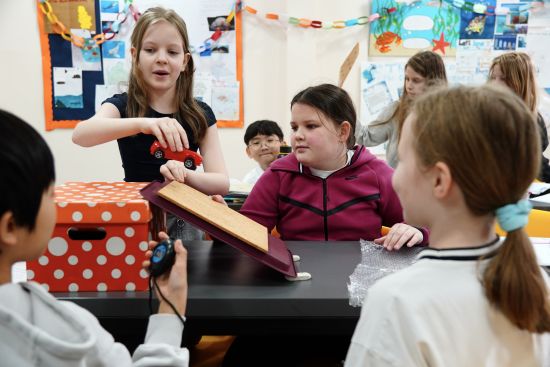
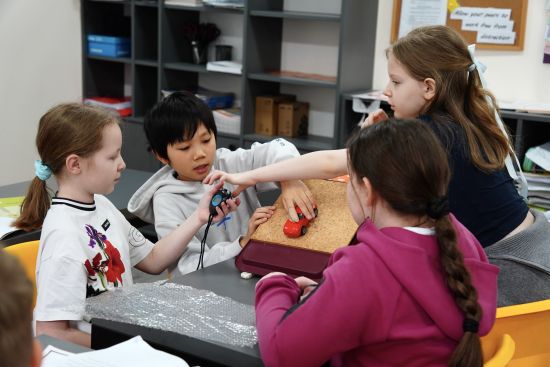
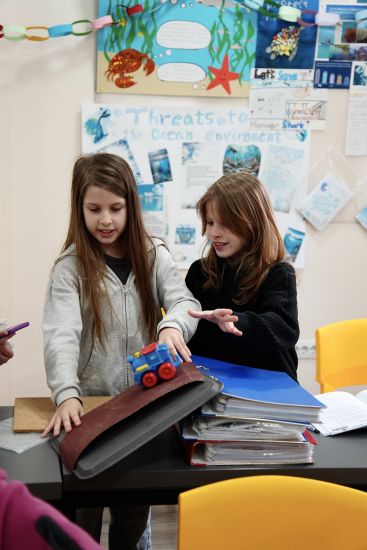
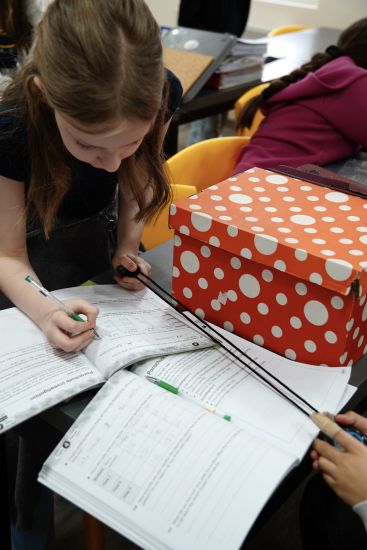
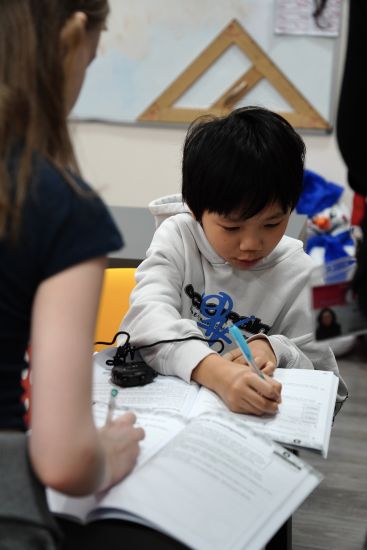
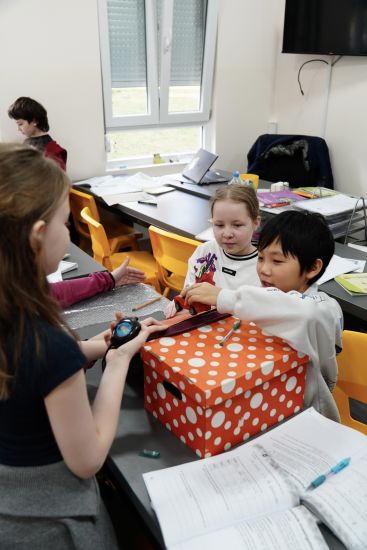
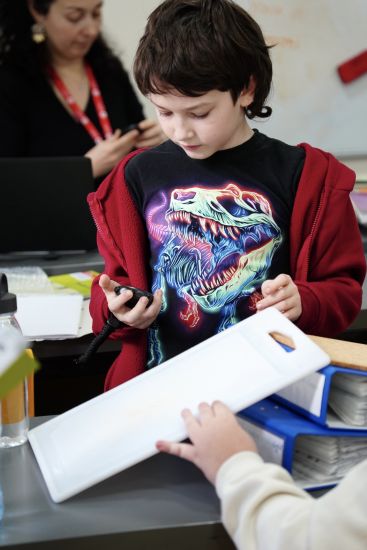
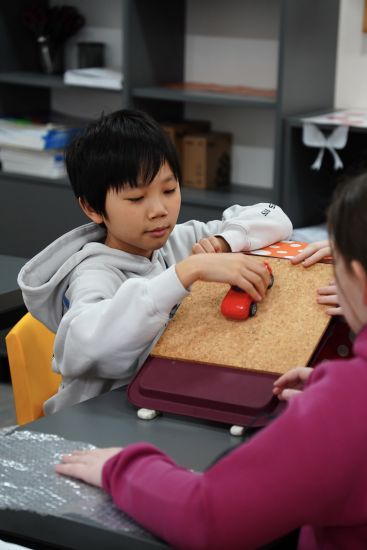
In our recent science lesson, we conducted an exciting experiment to investigate how different surfaces affect the speed of a rolling toy car. Our main question was: Which surface on the ramp would slow the car down the most?
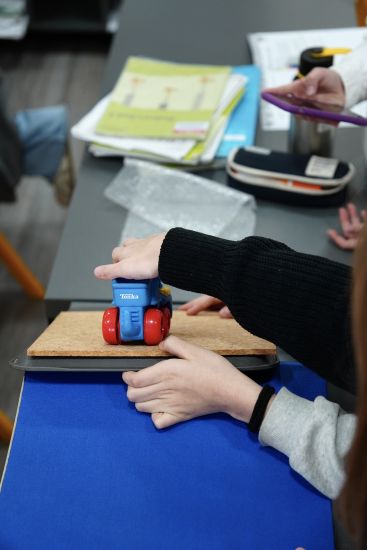
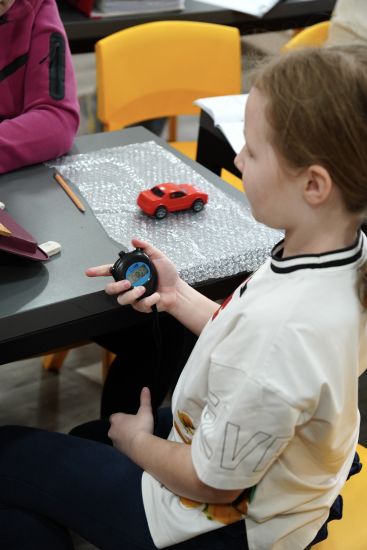
We set up a ramp and covered it with three different materials—smooth cork, rough sandpaper, and bubble wrap. The toy car was released from the same height each time, and we measured how long it took to travel down the ramp on each surface.
The results were clear. The smoother surface, cork, allowed the car to roll quickly, while the rougher surfaces slowed it down. Bubble wrap caused the greatest delay, making the car move much more slowly. This demonstrated how friction affects motion: rough surfaces create more resistance, which reduces an object’s speed.
Overall, the experiment was both enjoyable and educational, helping us understand an important scientific concept—that friction is a force that can slow down moving objects.